Check out the life-saver app, free online training.
Do you want to understand and practice the basics? Click here.
What to do in an emergency?
If it all goes wrong on the trail – would you know what to do? Whether it’s you, a riding buddy, or another rider, accidents can happen. We’ve pulled together a guide to help you understand the steps to take if something happens out on the hill. Please give it a read – it could make all the difference.

Most of the time your rides will pass without incident – but having some basic first aid knowledge is a real game changer when something does go wrong. Why not think about booking some training?
- Always carry a small first aid kit – even being able to clean and dress a wound can make a big difference.
- Plan ahead. If you’re prepared, you can override the panic and focus on what needs to be done.
- Master the basics. Great first aid isn’t about doing everything – it’s about doing the simple things well. Control what you can, and don’t stress about what you can’t.
And remember the 4 C’s:
Set up a safe CORDON around the incident - close the trail above the rider, make it safe. Upturned bike further up the trail will do this.
Does the CASUALTY need some first aid?
COMMUNICATE with the emergency services or the person who is going to help - you may be able to self evacuate but it is really important to let others know what is going on. IN AN EMERGENCY, DIAL 999, ASK FOR POLICE, THEN ASK FOR MOUNTAIN RESCUE.
COORDINATE the group and the rescue, make sure everyone is safe and knows what is going on, especially if some riders are ahead of you and may not know what is going on.

Image courtesy of Tweed Valley Mountain Rescue
Scottish Mountain Rescue Vice Chair, Kev Mitchell
“We are very lucky in Scotland to have a world class volunteer Mountain Rescue service. Help us, to help you, by being prepared and knowing what to do in an emergency. If you are lost, in need of assistance, or in an emergency, dial 999 ask for POLICE then MOUNTAIN RESCUE. Enjoy our incredible wild places and support our volunteer teams who will assist you any hour, any day, and any weather.”

Image courtesy of Tweed Valley Mountain Rescue
Danger
Is it safe? Assess for any other potential accidents and make the area safe for you and your group
Response
Speak to your casualty and ask if they want help, squeeze shoulders
Airway
If they are not responsive you may need to open their airway using a head tilt and chin lift
Breathing
Check if it is normal, breathing that is not normal can be life-threatening.
Circulation
If they are not Breathing this means that you have dialled 999 and you are doing CPR; if they are breathing then check for any bleeds that may be life-threatening
Ensure that the casualty is comfortable by insulating them from the ground, adding extra clothing etc.
Put the casualty into a position that helps them maintain their airway - a Recovery Position/Safe Airway Position.
Police Scotland deploy all mountain rescue teams in Scotland
The police will require your:
- Location (ideally 6 figure grid reference or named location/feature)
- Casualties – number and nature of injuries
- Group number and equipment you have
- Mobile numbers for you and others in the group
If something serious happens on the hill, remember that Mountain Rescue might take a while to reach you. Teams are made up of trained volunteers, and it can take time for them to be called out, gather equipment, and travel over rough terrain to your location. That’s why it’s so important to be prepared – with the right kit, some basic first aid knowledge, and a plan – so you can look after yourself or your riding buddies until help arrives.

Image courtesy of Tweed Valley Mountain Rescue
Outdoor First Aid Courses
If you are regularly riding at trail centres or on natural trails then we highly recommend you attend an outdoor first aid course.
Thank you to Jen Isherwood from FAB Adventure and First Aid Training for her help in compiling this information.
Tell someone where you are riding.
This especially applies if you are riding alone. Let someone know your route and when you intend to return. This can just be a quick text to your ‘late back’ person. Simply giving the trails you intend to ride and the rough time it should take you.
If you do not contact them within half hour of that time, they should start calling you.
If there is no reply after an agreed time – your ‘late back’ person should be contacting the emergency services. Make sure they know how to do this and who to call! Do not go straight to café/pub and forget to let your ‘late back’ person you are ok. This is an easy habit to get into and could save your life.
Dmbins
Do The Ride Thing

Do The Ride Thing
Into the Wild
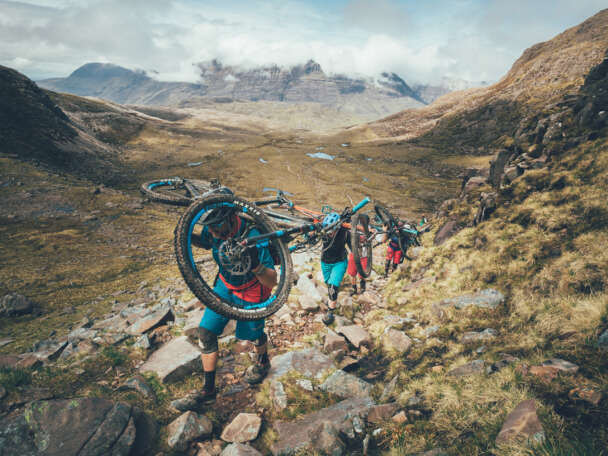
Scotland has an outstanding environment with stunning scenery, wild landscapes, and diverse plant and animal life. It is important to…
Do The Ride Thing
Riding Close to Home
Do The Ride Thing
A Shared Forest - Horses & MTB

Our Work
Trails
To develop and sustain Scotland as a premier riding destination we help ensure that the right trails are in the right place, and built and managed by the right people.
Our Work
Health
Mountain biking can play a role in making Scotland healthier. By increasing participation, through targeted programmes, we aim to help make our amazing country a healthier and happier nation.
Our Work
Destinations
Our work focuses on building on our key destination's strengths, pushing for development and supporting areas and businesses to improve the experience for riders.
Our Work
Innovation
We work with Edinburgh Napier University, through MTBCOS, and our enterprise agencies - encouraging businesses to develop and promote new products and services for mountain bikers contributing significantly to the sustainable growth of Scotland’s economy.
You may also like
Do The Ride Thing
Into the Wild
Scotland has an outstanding environment with stunning scenery, wild landscapes, and diverse plant and animal life. It is important to…
Do The Ride Thing
Riding at Trail Centres
Do The Ride Thing
Riding Close to Home
SUPPORT SCOTTISH MOUNTAIN BIKING!
Become a Supporter